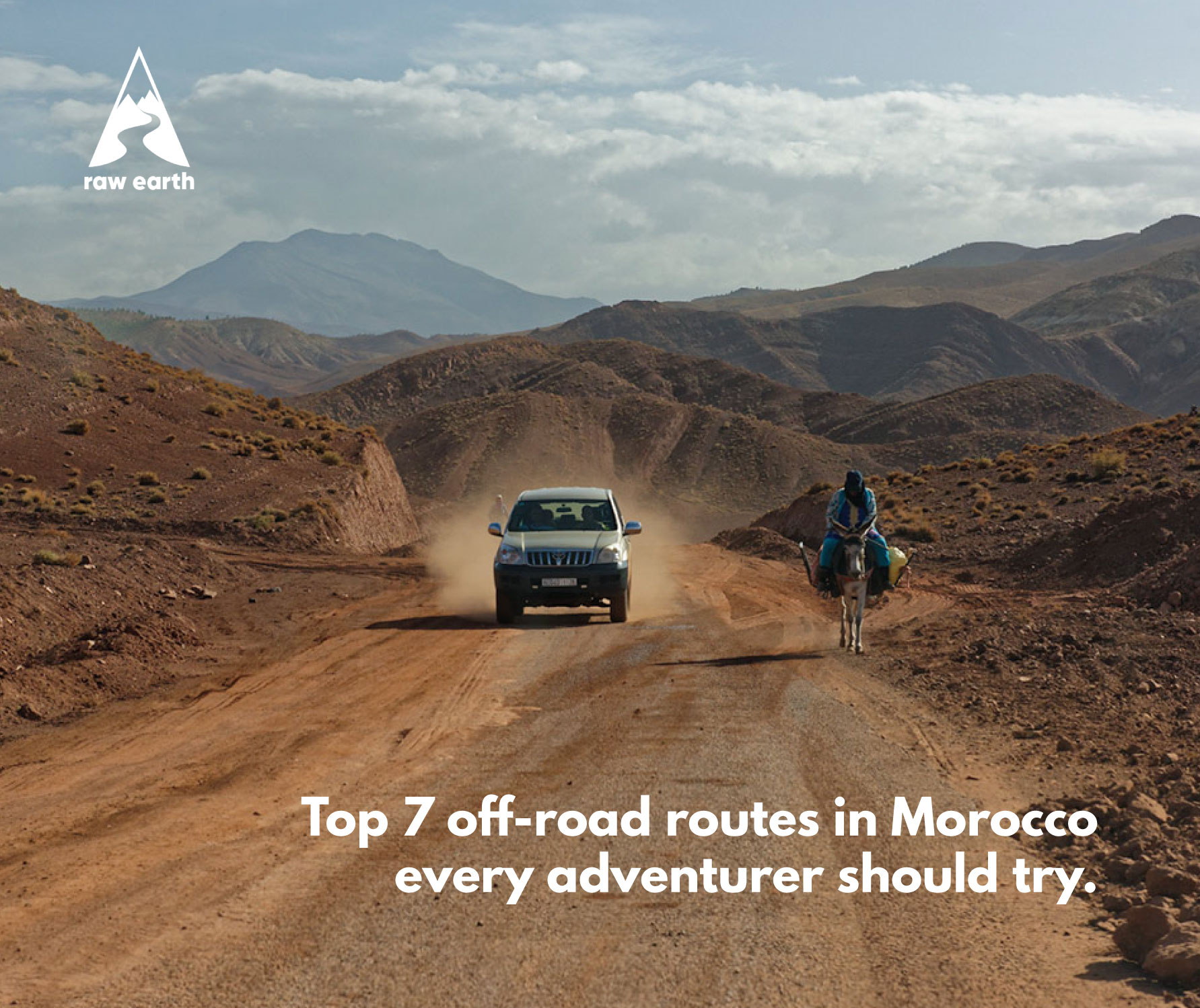
Top 7 off-road routes in morocco every adventurer should try

Morocco is one of those rare countries where every mile can surprise you. The deserts, the mountains, and the coastlines combine to form a playground for travellers who want more than just paved highways. For off-road lovers, the country offers routes that range from soft dune tracks to rugged mountain passes. In this article, we will discuss seven of the best off-road routes in Morocco, with tips on how to stay safe and what cultural experiences to look for on each route.

If you’re planning your first Morocco off-road adventure, this list will point you in the right direction. It covers desert trails, rocky valleys, and hidden beaches. You will find options that suit both beginners and those who want something more challenging. By the end, you’ll know where to go, what to expect, and how to enjoy Morocco’s varied landscapes.

Why Morocco is perfect for off-road adventures?

The country’s geography is what makes Morocco off-road driving so exciting. Few destinations combine so many landscapes in such a short distance. You can set off from a buzzing city like Marrakech and, in just a few hours, reach desert plains or high mountain passes.

Morocco 4×4 routes are especially rewarding because they link culture with nature. You will pass through Berber villages, ancient kasbahs, and remote valleys, all while exploring areas where life has not changed much in centuries. The variety of terrain means that each trip feels entirely different. One route may push your driving ability with steep climbs, while another takes a leisurely ride across the dunes that stretch out to the horizon.

Top 7 off-road routes in morocco

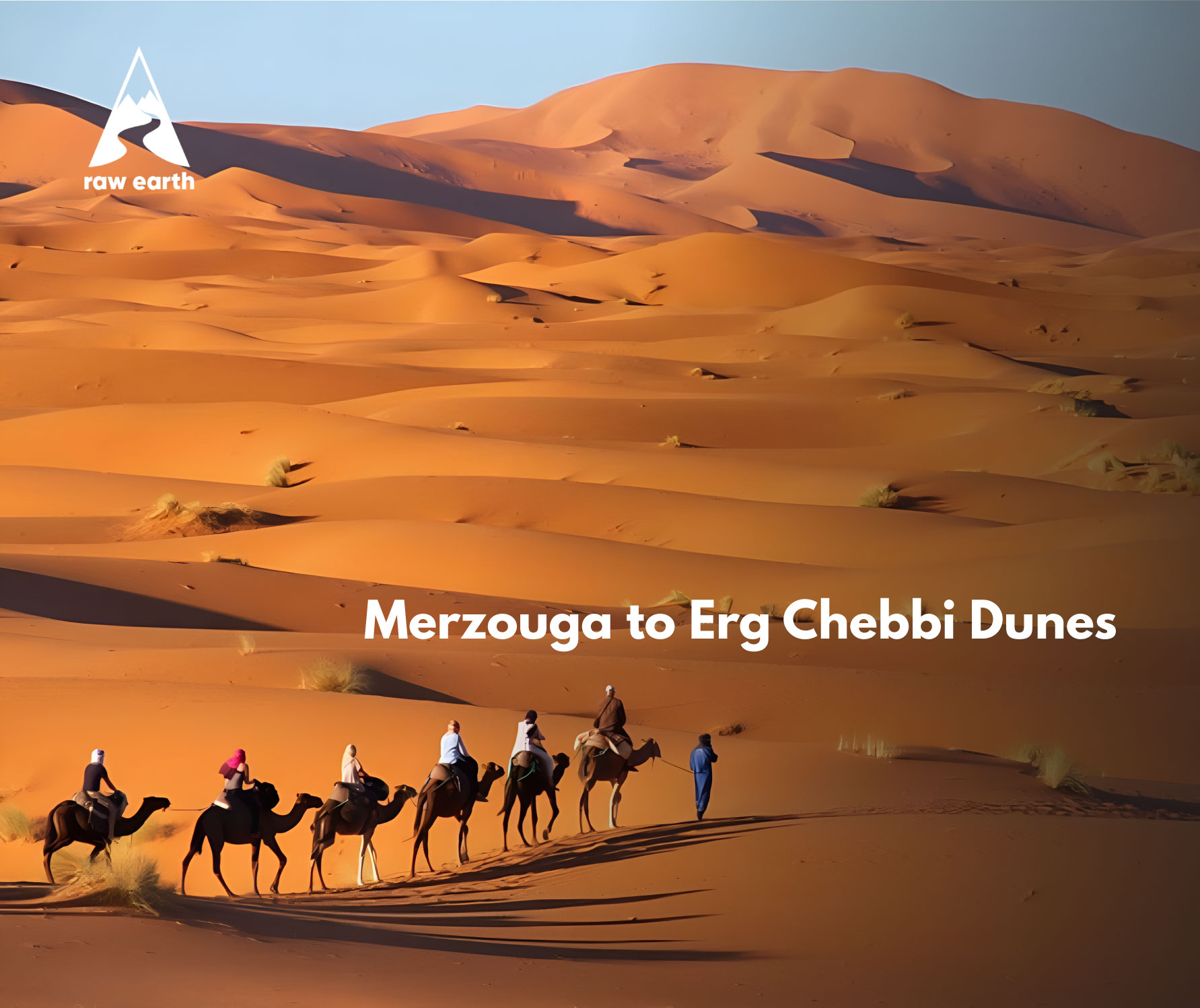
Route 1: Merzouga to Erg Chebbi Dunes

This is likely the most well-known of all the Morocco off-road routes. Starting in Merzouga, you’ll ride straight into the dunes of Erg Chebbi. The golden sands rise like an ocean, and some dunes are up to 150 meters tall. Riding here requires experience and skill since you will be riding on soft sand that requires constant momentum and control. Many travellers camp overnight in desert tents, where music, food, and starry skies enhance the experience.
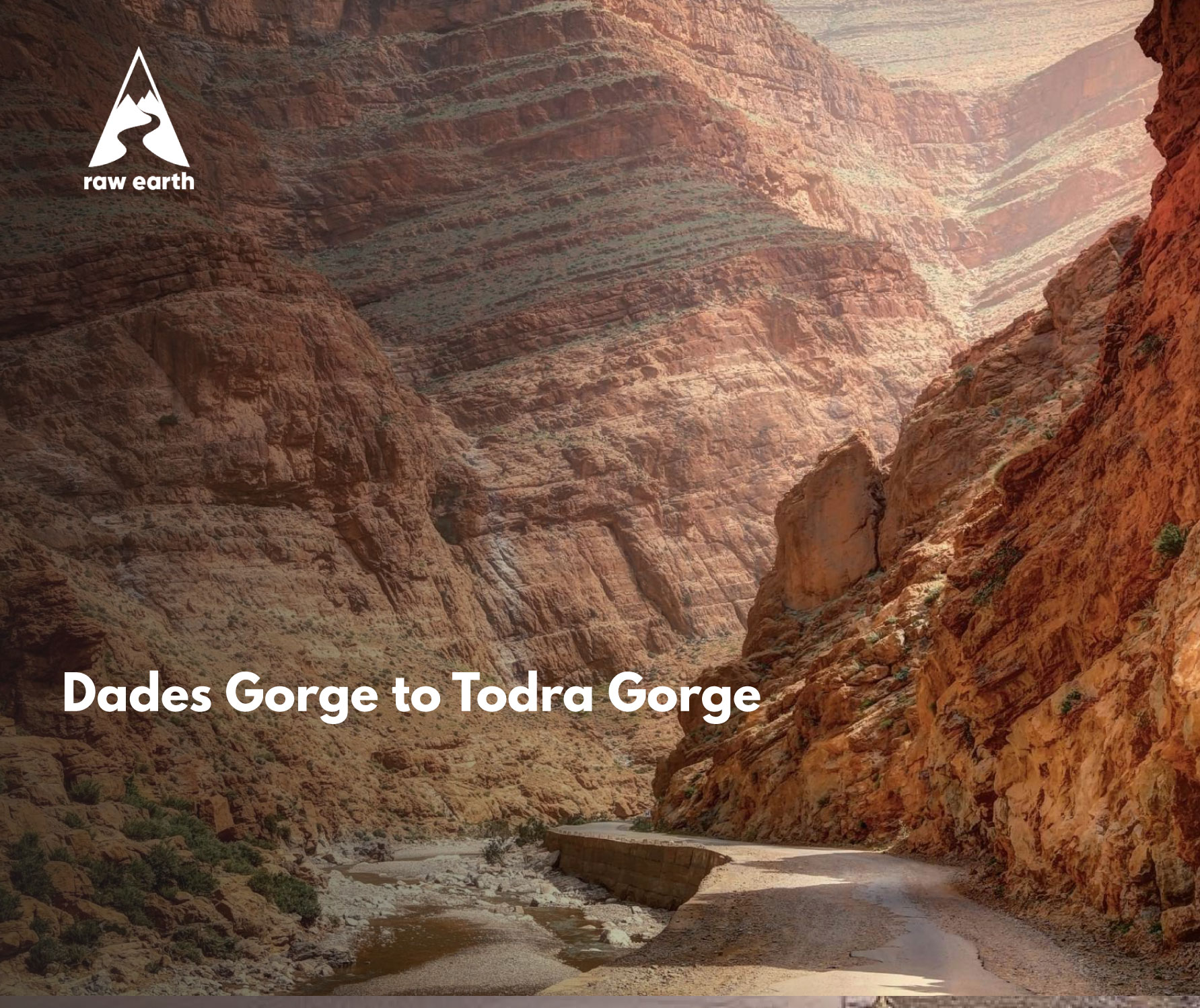
Route 2: Dades Gorge to Todra Gorge

The Dades Gorge to Todra Gorge track is all about dramatic landscapes. Twisting roads and sheer cliffs define the route from The Dades Gorge to The Todra Gorge, as narrow passes lead to wide open valleys. The drive is thrilling, but the view of layered rocks that you will see in the area is unforgettable. This area is also a popular place to hike, so you can leave your truck behind for a few hours and use your legs and stretch your joints while exploring this beautiful landscape.
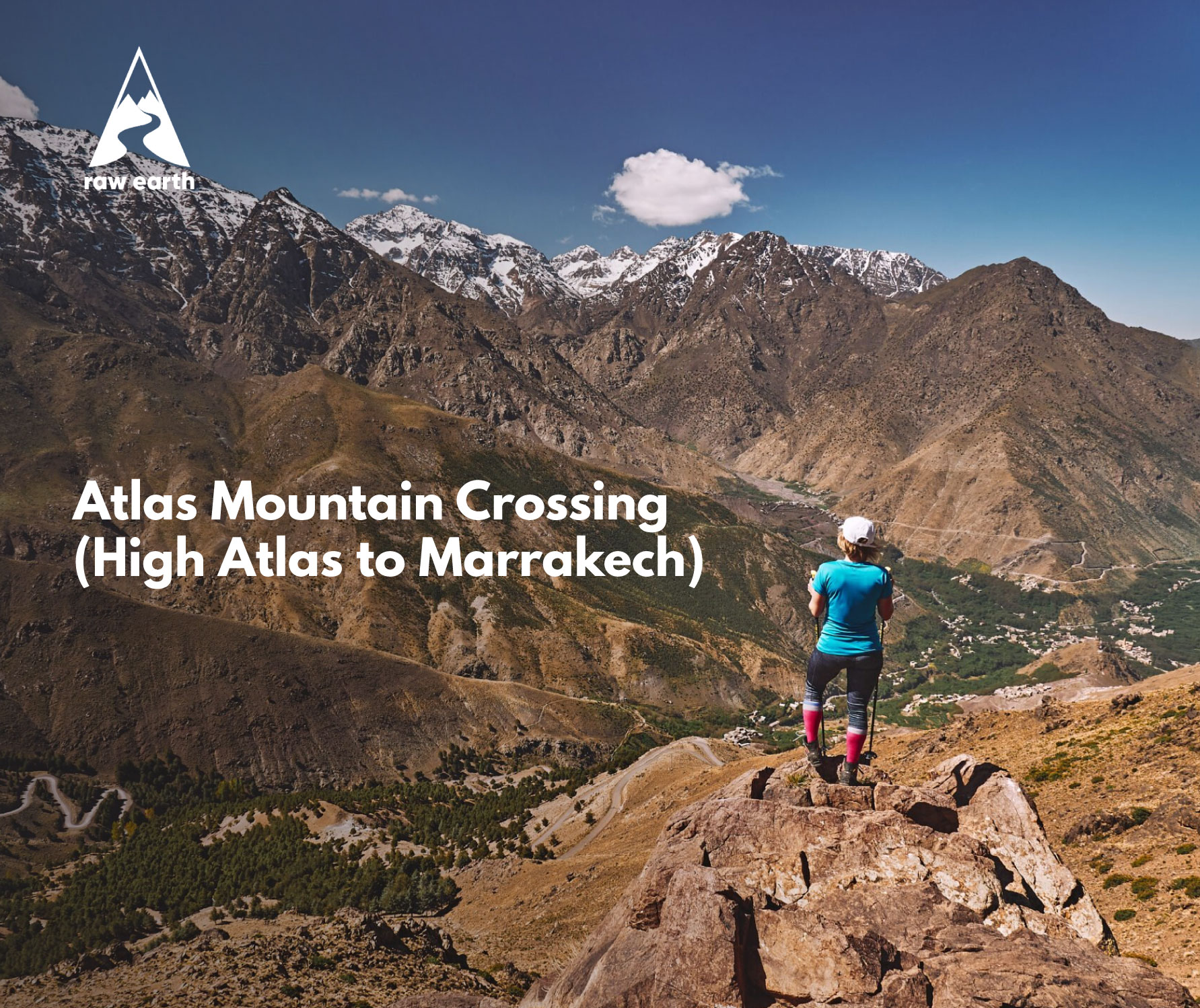
Route 3: Atlas Mountain Crossing (high atlas to marrakech)

Any Morocco off-road experience must include traversing the Atlas Mountains as a treat. The roads are steep and winding, but the views are everlasting! In the winter, you have the chance to see snow-capped peaks, green valleys in the spring and passes to die for, no matter the time of year. One of the more famous crossings is the Tizi n’Tichka Pass, which takes you back again towards Marrakech. This is an area where you will see villages with stone houses clinging to the hillside, with a heavy Berber influence.
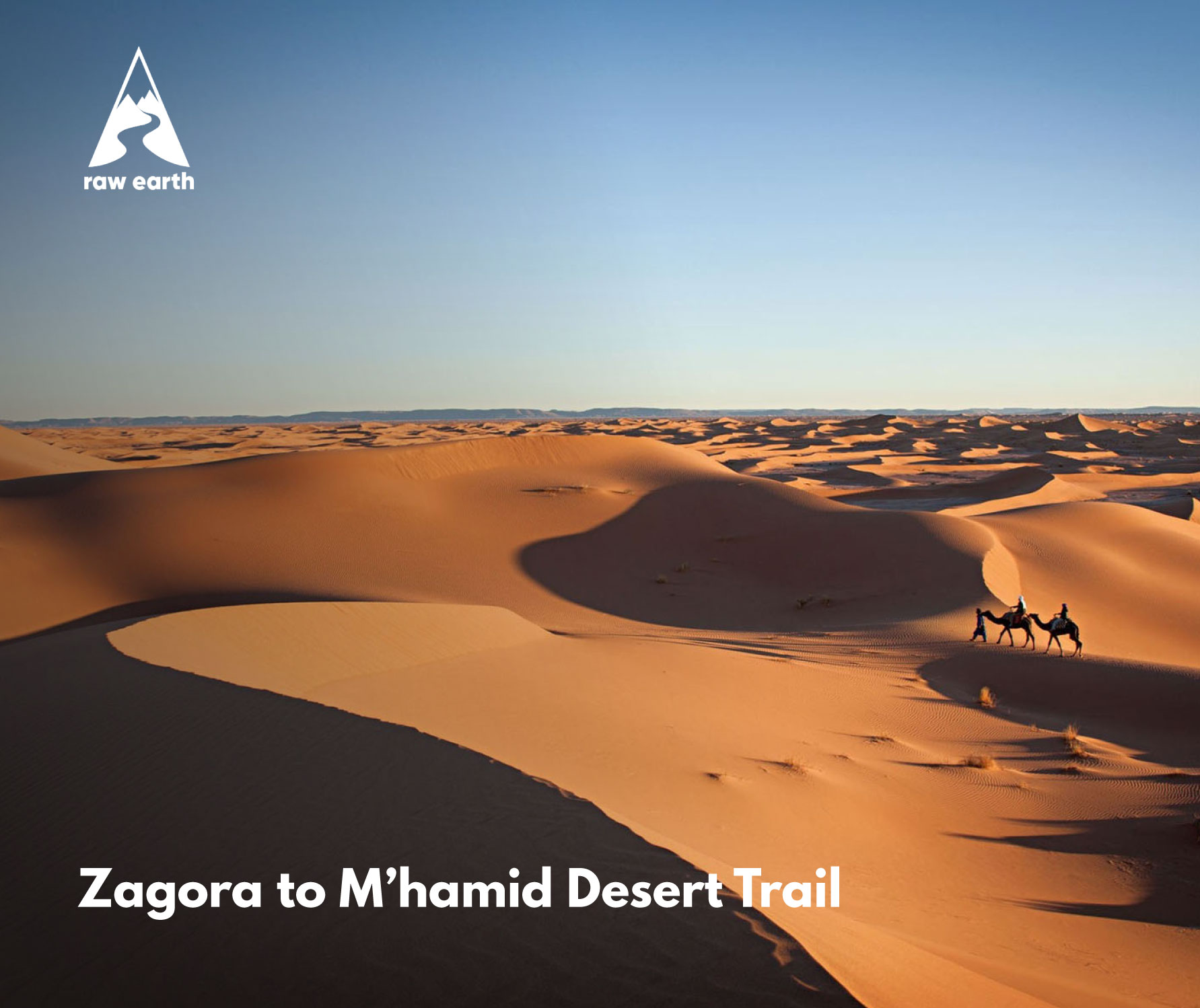
Route 4: Zagora to M’Hamid Desert Trail

If there are dunes or desert tracks you are after, then the Zagora to M’Hamid route will not disappoint. This route will take you deeper into the Sahara, past palm groves and into open plains. It’s a favourite among those who want to feel the immensity of the desert without rushing. In M’Hamid, the road ends and the Sahara truly begins. Many travellers join camel treks or set up camps here to extend the adventure.
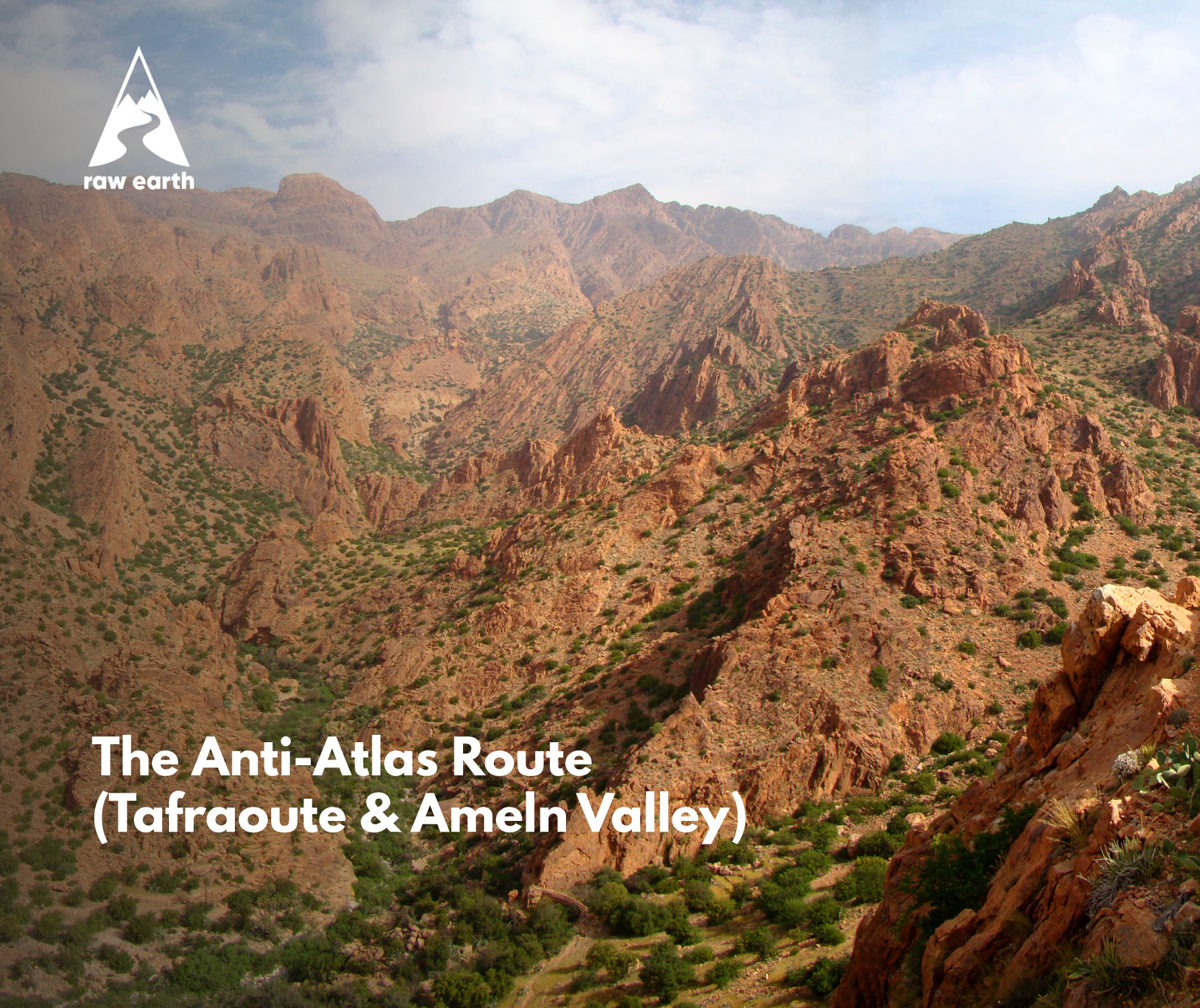
Route 5: The Anti-Atlas Route (Tafraoute & Ameln Valley)

For something different, head to the Anti-Atlas region. The Tafraoute and Ameln Valley area combines red granite mountains with palm-filled valleys. Off-road trails in Morocco don’t always mean sand, and this route proves it. The rocky terrain tests your driving skills, while the views are some of the most colourful in the country. Tafraoute itself is a charming town known for painted rocks and a laid-back vibe.
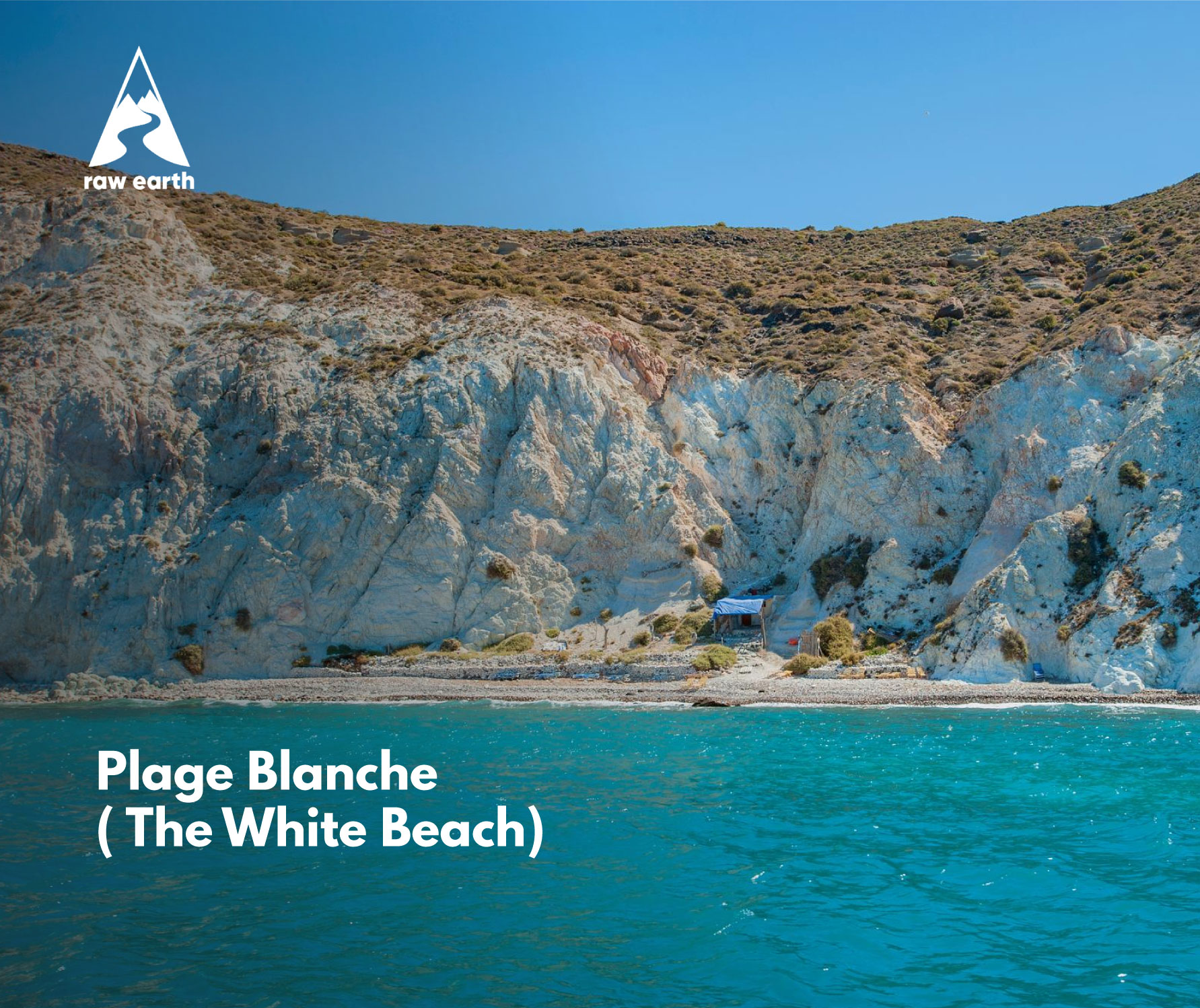
Route 6: Plage Blanche (The White Beach)

Plage Blanche offers one of the most unique Morocco off-road trails. This wide stretch of sand runs along the Atlantic coastline for about 40 kilometres. Driving on the beach with waves crashing to one side is a thrill that’s difficult to match. The sense of freedom here is huge, but timing is everything. It’s best to drive during low tide to avoid soft sand traps.
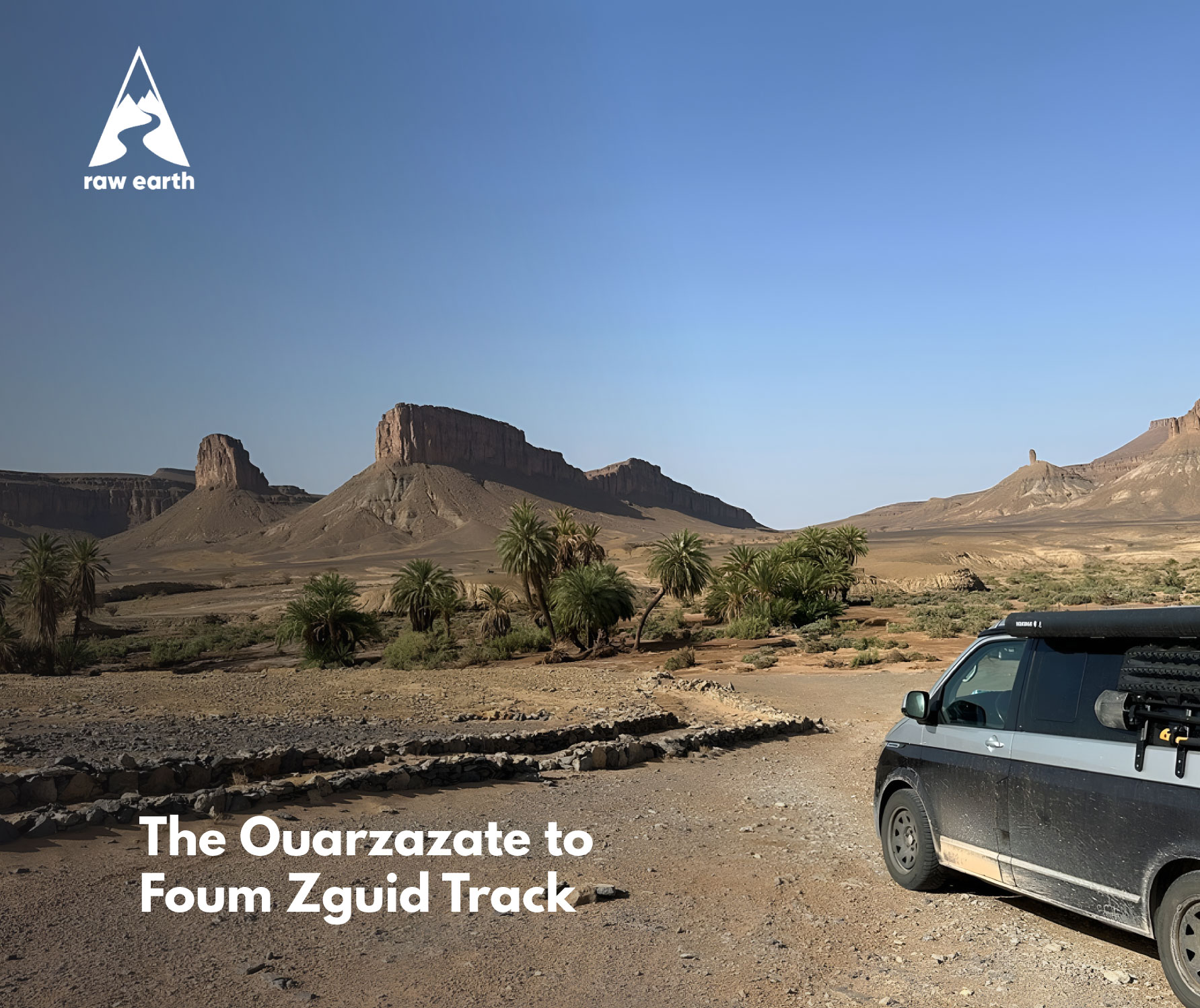
Route 7: The Ouarzazate to Foum Zguid Track

This path connects the cinematic town of Ouarzazate to Foum Zguid, cutting through desert terrain with dry lakebeds. Ouarzazate is called the gateway to the Sahara and is widely known for film studios and kasbahs. Although the route is long and can be rough, the result is a good experience of off-road routes in the remote parts of Morocco. It’s one of those drives where preparation really pays off, as fuel and supplies are limited along the way.
Tips for off-roading in Morocco

An off-road drive in Morocco is a wonderful experience, but it can be daunting at times; a few pointers will make your trip safer and better for everyone.

  • Always carry extra water and food supplies.
  • Check your vehicle before heading into remote areas.
  • Lower tyre pressure when driving on sand
  • Carry both GPS and paper maps for navigation
  • Avoid night driving on rural tracks
  • Respect local communities and ask permission before photographing people

These small steps can make a big difference in how smooth your Morocco off-road adventure turns out.

Best time to experience Morocco’s off-road routes

Timing is important when it comes to off-road trails in Morocco. Spring (March to May) and autumn (September to November) are considered the best seasons. Temperatures are moderate, making long drives more comfortable. Summer can be extreme in desert regions, with temperatures typically above 40°C, which isn’t ideal for off-roading. Winter offers cooler weather but may have snow blocking the high passes in the Atlas Mountain region.

Cultural experiences along the way

Driving routes in Morocco in a 4×4 is more than just about what you see. Along the routes, you will encounter the culture and the experience will become richer. Stopping at a small village on the way, you will have the opportunity to sample the local meals like tagine or fresh bread from a clay oven. The souks in towns along the way sell handicrafts, rugs, and jewellery. Simple conversations with locals often turn into memorable parts of the trip.

In Berber villages, you will experience the hospitality of the people. Having mint tea with the family or sharing traditional music around a fire takes the off-road experience to a whole new level. These cultural elements will stay with you long after the tracks are behind you.

Conclusion

Off-road driving in Morocco offers a wealth of variety, challenge, and beauty. You will go from golden dunes to mountain passes and beautiful unspoilt coastlines. Every route has its own story to tell. The Seven tracks outlined in this guide are only a very small representation of what is possible; however, they are a great start for anyone who wants to do some off-road driving in Morocco. A Morocco off-road adventure is about more than just the ride; it’s about embracing the journey, meeting people, and letting the road shape the experience.

FAQs

1. Do I need a guide for Morocco’s desert routes?

Not always. Confident drivers can handle many routes on their own, but hiring a local guide helps if you’re heading deep into the Sahara.

2. Can I rent a 4×4 for off-road travel in Morocco?

Yes. Rental companies in cities like Marrakech and Agadir offer suitable 4x4s. Always check that off-road use is covered in the insurance.

3. What is the best season for off-road biking in Morocco?

Spring and autumn are the most comfortable seasons. Temperatures are milder, which makes both biking and driving more pleasant.

4. Which is the most challenging off-road route in Morocco?

Numerous individuals believe that either the Merzouga dunes or the trail that takes you from Ouarzazate to Foum Zguid is the most challenging. Either way, they both require skill, preparation, and knowledge of the terrain.
Related Posts

Beginner’s guide to planning your first overland expedition

Beginner’s guide to planning your first overland expedition

Starting your first overland expedition can feel both exciting and a little overwhelming. Unlike a simple road trip, overlanding combines travel, adventure, and self-reliance over days or even weeks. You’ll drive through changing landscapes, set up camp in remote areas, and carry almost everything you need along the way. This guide will give you a clear picture of what an overland expedition involves, how to plan it, what vehicle works best, and which essentials to pack. It’s designed as a practical starting point for anyone ready to leave the main roads behind and explore off the beaten track. What is an overland expedition and how does it work? An overland expedition is about much more than just driving from one place to another. It’s an extended journey across different types of terrain where the focus is on exploration and self-sufficiency. You bring your own food, water, camping equipment, and the tools to look after your vehicle. The way overlanding works is a blend of structure and flexibility. You’ll usually plan your route and overnight stops in advance, but be prepared to adjust depending on road conditions, the weather, or new discoveries along the way. Unlike a traditional holiday, the adventure isn’t just at the destination – it’s in the entire journey, whether that’s following off-road tracks, crossing a mountain pass, or navigating desert trails. How to plan your first overland trip? Planning is the part that can make or break your first trip. Start by choosing a destination that suits beginners. It’s best to look for routes that are fairly manageable, with some infrastructure close by so you’re not completely cut off. Once you have your destination in mind, decide on how long you want to be away. For a first-timer, a long weekend or a week is plenty to get a feel for the lifestyle. If you’re wondering How long should a road trip be? start modest: 2–4 days for a shake-down run, then build toward 5–7 days once you’re confident with your gear and routines. Make sure to research any regulations, permits, or road conditions before you set off. Your vehicle will need to be ready as well – serviced, fuelled, and able to handle the terrain you’re heading into. Packing should be thought through carefully. Camping and cooking gear, safety supplies, and recovery equipment for your vehicle will all make the journey safer and more enjoyable. Finally, always plan for the unexpected. Know where the nearest fuel stops and towns are, and have a communication plan in case of emergencies. The more prepared you are, the smoother your first expedition will be. 1. Choosing the best vehicle Your vehicle will be your constant companion, so choosing wisely is essential. Most beginners start with a reliable 4×4 SUV or pickup. These vehicles offer the right mix of comfort and durability, handling rough roads, gravel tracks, or sandy stretches with ease. You don’t need to go overboard with modifications for your first trip. A roof rack or good storage system will help keep your gear organised, and a well-maintained suspension and tyres will give you confidence on uneven terrain. More advanced add-ons, such as winches, snorkels, or extra fuel tanks, can always come later as you gain experience. For now, focus on something simple, dependable, and easy to maintain. 2. Essential overlanding gear Packing for an overland expedition is all about balance: carrying enough to stay safe and comfortable, without overloading your vehicle. Navigation tools such as GPS, paper maps, and a compass are crucial. For camping, you’ll want a reliable tent, sleeping bag, and something to sleep on for comfort. Cooking supplies like a portable stove, fuel, and basic utensils allow you to prepare meals wherever you stop. Equally important are your provisions. Water storage is non-negotiable, and non-perishable food keeps things simple. Vehicle recovery tools such as tow straps, a jack, and a spare tyre are also must-haves. Safety items – a first-aid kit, fire extinguisher, and a means of communication – provide extra peace of mind. Add to this personal items like clothing for changing weather, sun protection, and toiletries, and you’ll be set for a smooth trip. 3. Planning routes as a beginner The route you choose will shape your experience. For your first expedition, start with roads and tracks that are easy to follow but still give you a sense of adventure. Aim for areas that have nearby towns, fuel stations, and at least some emergency services. Spend time researching online, checking maps, and reading travel forums where other overlanders share their experiences. Create a loose itinerary with expected stops, but stay flexible. Sometimes the best parts of an expedition are the unplanned detours or scenic side-trips you didn’t expect. The key is to balance safety with the thrill of exploration. 4. Staying safe on the road Safety should always be at the front of your mind. Check the weather and road conditions before you leave and keep an eye on them as you travel. Look after your vehicle as you go – small maintenance checks along the way can prevent bigger problems later. Carry more water, fuel, and food than you think you’ll need. Travelling with a partner or in a small group can make things safer and more enjoyable. Always share your itinerary with someone at home so they know where you’re meant to be. A first-aid kit and some basic emergency knowledge are invaluable, and respecting local laws, cultures, and communities is just as important as looking after yourself. How much will it cost? Budgeting for your first overland expedition depends on the type of trip you take. The biggest expense is usually fuel and vehicle maintenance, followed by food and camping supplies. If your route passes through national parks or reserves, there may be permits or entry fees. Gear can be an upfront investment, but once you have the basics, costs tend to come down for future trips. A short beginner trip over a few days might only set

Read More »
Overland expeditions vs. off-road adventures: what’s the difference?

Overland expeditions vs. off-road adventures: what’s the difference?

Many outdoor enthusiasts tend to view an expedition (overland) as the same as an off-road adventure, although they aren’t. An expedition is a prolonged trip with travel, self-sufficiency, and discovery, typically lasting days and/or weeks. Off road adventures involve primarily driving for fun on challenging terrain for shorter periods of time. The difference comes down to purpose, scale, and style. Both fall under the broader category of expedition adventure but offer entirely unique experiences. What Are overland expeditions? Overland expeditions are long journeys whose overall goal is not solely the destination but also the act of travelling itself. Most of the time, Overland Expedition consists of multiple days of travel, sometimes up to weeks, while travelling through various terrains such as desert, mountain, or forest. The core idea is self-reliance. Travellers carry everything that was needed in their vehicle, including camping gear, cooking gear, and recovery gear. An Overland Expedition feels more as if you are in a lifestyle situation vs. a quick thrill. You are moving at a slow pace, investigating new areas, and setting up camp wherever the day ends. It is often as much about a cultural experience as it is about exploring nature, as routes can take you through small towns and villages. This expedition adventure appeals to those who like long-duration travel and enjoy being self-sufficient, planning, and discovery. What are off-road adventures? An Off Road Adventure is solely focused on testing you and your machine on rough terrain. An Off Road Adventure will usually take place in a day or weekend timeframe and is focused more on the thrill rather than the length of the journey. Drivers will look for rocky trails, muddy tracks, dunes, or inclines where they can test their vehicle’s capabilities. Unlike Overland Expeditions, Off Road Adventures don’t always have a long travel or camping component. Many individuals embark with their buddies, complete obstacles, and come back home the same day. The highlight was overcoming the terrain and testing some personal limits. Off Road Adventures tend to be more peer-oriented and less concerned about time with a focus on the driving experience rather than the expedition. Key differences between overland expeditions and off-road adventures Though both are a sub variation of expedition adventure, there were some very distinct differences in a number of ways: Duration: Overland Expeditions range from days to weeks whilst Off Road Adventures are typically shorter. Purpose: Overland focuses on exploration and travel. Off Road is about the excitement of navigating difficult terrain.  Equipment: Overlanders need camping and survival gear. Off Roaders need recovery tools and vehicle modifications. Experience: Overland expeditions often combine culture, travel, and nature to create an overall experience. Off Road Adventures will often be limited to mere driving experiences. Cost: Increased duration with Overland Expeditions will usually result in increased costs from gear, food, and fuel. Off Road outings are generally less expensive. Which expedition adventure is right for you? Choosing between Overland Expeditions and Off Road Adventures depends on your goals.If you have a desire to see expansive vistas, want to travel at a more leisurely pace, and like the comfort of your home with you, an Overland Expedition is for you. If the notion of mud, rocks, and more challenging terrain sparks your adventurous spirit, perhaps off road adventures are a better option. The focus is much more on the activity than the journey, and probably more on your intuitive skills as well. You can even get your feet wet and start off on your first Off Road Adventures. For beginners, Off Road Adventures can typically require less of a commitment. You can test out your vehicle, learn some recovery techniques, and practice until you gain some comfort before you consider extended journeys with Overland. Essential gear for your next adventure Each adventure requires preparation. Here’s a look at what matters most for each style: Overland Expeditions: roof tents, portable stoves, water storage, navigation systems, spare parts, recovery gear, first aid kits, and storage boxes for supplies. Off-road adventures: winches, tow straps, recovery boards, air compressors, mud terrain tires, and communication devices. Both need capable vehicles, however, the emphasis will vary based on the activity. Overlanders pack for survival and comfort, while off-roaders pack for vehicle recovery and for dealing with extreme terrain. Blending both worlds: overland meets off-road Interestingly enough, these two activities tend to overlap. Most Overland Expeditions include off-road driving as part of the expedition, as certainly that is the case in most remote locations. Some Off Road Adventures do produce multi-day trip experiences that will give you a bit of an Overland flavor. This blend allows adventurers to enjoy both experiences. You might spend the morning crawling over rocky tracks and the evening setting up camp by a river. The flexibility to mix both approaches makes an expedition adventure appealing to a wide range of travellers. Conclusion: choosing your expedition adventure While Overland Expeditions and Off-Road Adventures are about the adventure, the experience is different. Overland is about the long road, self-sufficiency, and discovery, while Off Road is about short experiences, driving, and technical skill. The best choice comes down to what excites you more. Do you prefer the slow cadence of travel or the fast intensity of difficulties? Either way, every journey will connect you to the outdoors in its own indelible way. FAQ section 1. Is an Overland Expedition harder than an Off Road Adventure? Overland Expeditions are more time intensive with greater planning and self-sufficiency needed to accomplish them. In addition, successfully navigating the unimproved terrain presents a unique and more challenging experience compared to Off Road Adventure Trips. 2. Can beginners join an Overland Expedition? Sure, but starting small is probably better. Shorter adventures enable beginners to learn about setting up a vehicle for camping, packing, and planning a route all before taking on a longer adventure. 3. Do I need a 4×4 for both Overland Expeditions and Off-Road Adventures? For both, a 4×4 is strongly recommended, especially because overland routes often contain

Read More »
Hiking trips vs trekking adventures: what’s the difference?

Hiking trips vs trekking adventures: what’s the difference?

The distinction between outdoor activities gets fuzzy, and hiking vs. trekking is one of the most common mix-ups. At first glance, they seem identical. Both involve walking in nature, both give you fresh air and scenery, and both can leave you with aching legs if you push yourself too hard. Yet, there’s a real difference. Hiking is usually a lighter outing, often on marked trails, and it can be wrapped up in a single day. Trekking goes further. It involves traversing more difficult terrain, often over multiple days, and has greater demands on the mind and body. The distinctions are primarily in distance, preparation, and challenge. What is hiking? Hiking is simply walking in the outdoors on known shared routes for people to experience relative safety. Think of it as nature’s version of a casual workout. You might set out in the morning, follow a forest path, climb gently to a viewpoint, eat your lunch overlooking a valley, and be home before dark. The attraction of hiking lies in its flexibility. You don’t need specialist equipment, just comfortable shoes, a bottle of water, and maybe a sandwich. Some hikes can be as short as an hour’s stroll around a park, while others take a full day. Because it’s easy to start, many beginners lean towards hiking before considering anything tougher. It’s less about endurance and more about soaking in the environment. For someone dipping their toes into outdoor activities, hiking or trekking for beginners almost always means starting with hikes. What is trekking? Trekking is the time when hiking becomes a bit more serious. This is not just a day out; it is a journey either across valleys, over mountains, or through the remote countryside. Treks typically last for several days, where evenings are spent camping or in some sort of basic lodgings. Unlike a hike, a trek can sometimes stray from the broken or signposted paths. You may be on rough walking tracks, crossing rivers, or in villages where a few travellers have passed before. Preparation is the name of the game here. You will need solid footwear, a decent layering system, and all the food you’ll need for several days on the trail. And of course, trekking is not purely a physical thing. It is about discovery, testing personal limits, and experiencing places in ways they would never be experienced otherwise. You can also live through mountain passes that take your breath away (in more ways than one) or spend the evening next to a wood fire in a remote village that exceeds your wildest expectations. Key differences between hiking and trekking 1. Distance & duration Hiking tends to be short, usually from a couple of hours to a single day. Trekking stretches across multiple days, sometimes even weeks, covering greater distances. 2. Fitness level required Hiking asks for a basic level of fitness that most people can manage with little training. Trekking demands endurance, especially for climbs and long hours of walking. 3. Equipment and preparation Hiking needs very little: good footwear, water, and maybe a backpack. Trekking requires heavier preparation like boots, food supplies, camping gear, and occasionally special permits. 4. Risk and challenge Marked hiking trails are usually safe and predictable. Trekking can throw surprises your way: weather shifts, steep climbs, or altitude issues in the mountains. 5. Cost (day trip vs multi-day expedition) Hiking is inexpensive; transport and food might be your only costs. Trekking usually gets more expensive when guides, porters, and gear are factors in.  6. Solo vs guided/group experience Unlike hiking, which is often done alone or with a friend, trekking usually is much better when you are with guides or in a group, particularly if you are in an area that is unfamiliar to you or is considered a more difficult trek. Benefits of hiking trips The biggest benefit of hiking is accessibility. Trails are everywhere, including city outskirts, national parks, coastal routes, and even countryside lanes. That means you can fit hiking around your life without turning it into a major project. Health-wise, it’s great for both body and mind. It offers light exercise which promotes fitness levels and outdoor time, reducing stress and improving moods. Unlike when you go to the gym and are rewarded with numbers on a machine, the reward for this is the view at the end of a trail or the stillness when walking in a forest. Flexibility is another benefit. Whether you have a spare hour or a whole day, you can find a hike that suits. For newcomers, this makes hiking the easiest way into outdoor adventure. No complicated logistics – just lace up your shoes and go. Benefits of trekking adventures Trekking comes with rewards that go beyond exercise. Physically, trekking increases resilience and stamina. Mentally, you are challenged to push yourself to your limit and to see what you are capable of under less than comfortable conditions. Another benefit is cultural exposure. Most treks meander through small villages in rural areas where you can meet local people, experience daily life, and sometimes even share a meal with them. In this way, treks become a cultural experience. There is also a social aspect. After spending a week walking next to strangers, at the end you have formed a bond that makes that person feel closer than someone you have a friendship with in your day-to-day life. With a sense of accomplishment when you complete the trek, you have stories and memories that linger long after the blisters you have sustained have healed. Which One is Right for You? Whether you hike or trek all depends on you. If you’re looking for something around work or study, hiking is easy and inexpensive, and the risks are pretty low. If you are looking for something a bit more adventurous, such as multiple days away from normal life, physical exertion beyond that of hiking, or simply experiencing the unknown, then perhaps trekking is your best option. Yes, the demands are much more significant,

Read More »